
I first heard of Esther Perel in 2018, when I attended Unfinished festival in Bucharest. But, somehow, it felt as if I’ve already known her. She was so warm, so open, so lively and down to earth that I felt an instant connection. Everything she said made sense in a new revelatory way. She truly is the kind of person that you can listen to for hours, that makes you think and inspires you to take action. And you haven’t yet seen her resume! Just let me tell you a few facts about her, according to her website bio.
About Esther Perel
‘Psychotherapist and New York Times bestselling author Esther Perel is recognized as one of today’s most insightful and original voices on modern relationships. Fluent in nine languages, she helms a therapy practice in New York City and serves as an organizational consultant for Fortune 500 companies around the world. Her celebrated TED talks have garnered more than 20 million views and her international bestseller Mating in Captivity: Unlocking Erotic Intelligence became a global phenomenon translated into 25 languages. Her newest book is the New York Times bestseller The State of Affairs: Rethinking Infidelity (HarperCollins). Esther is also an executive producer and host of the popular podcast Where Should We Begin?’ ( https://www.estherperel.com/about )
Ten Percent Happier with Dan Harris
Now, that we are all on the same page, I can stop with my fangirling 🙂 and carry on with the subject at hand – the new podcast episode I just listened to. This time around, Esther is talking to Dan Harris, a journalist that currently holds the Ten Percent Happier podcast. It seems that he had a panic attack on live TV that led him to meditation and afterwards to writing the best-selling book 10% Happier. His idea about happiness is summarized like this: happiness is a skill you can train, just like working your bicep in the gym.
Real vs artificial relationships
So, I took my coffee break and decided to listen to a podcast, and this one was on my list. My way of listening implies taking notes. And now I will share my notes with you. Because I am that generous. Kidding! 🙂

Esther believes strongly in this one and I remember hearing something similar some years ago, about how the 5 people you surround yourself with on an almost daily basis, are the ones that will dictate your mood, or even your future. And let’s not forget about the Romanian saying – ‘Tell me who your friends are, and I will tell you who you are.’ Our relationships and associations, friendships in particular, often reveal aspects of our personality, interests, and priorities and can play a significant role in shaping us. Which is why it’s important to nurture adult friendships, the first relationships that we choose freely.
The rise of AI – artificial intimacy
She also believes it’s important to create situations and relationships that do not have artificial intimacy, but one on one connection. We need to hear our voices, to meet in person, to let people know we are there, to ask for help, to be open to disagree and not be afraid to have a conflict. And when we do meet in person, we should feel connected, open, vulnerable. But how many times have you met someone for coffee and they’d be buried in their phone? They are there, but not exactly present, which somehow, only makes it worse. How can you feel alone with someone? You are longing for their presence, but they are standing right there, in front of you. They are just emotionally absent.
Smooth operator – the new soundtrack of society
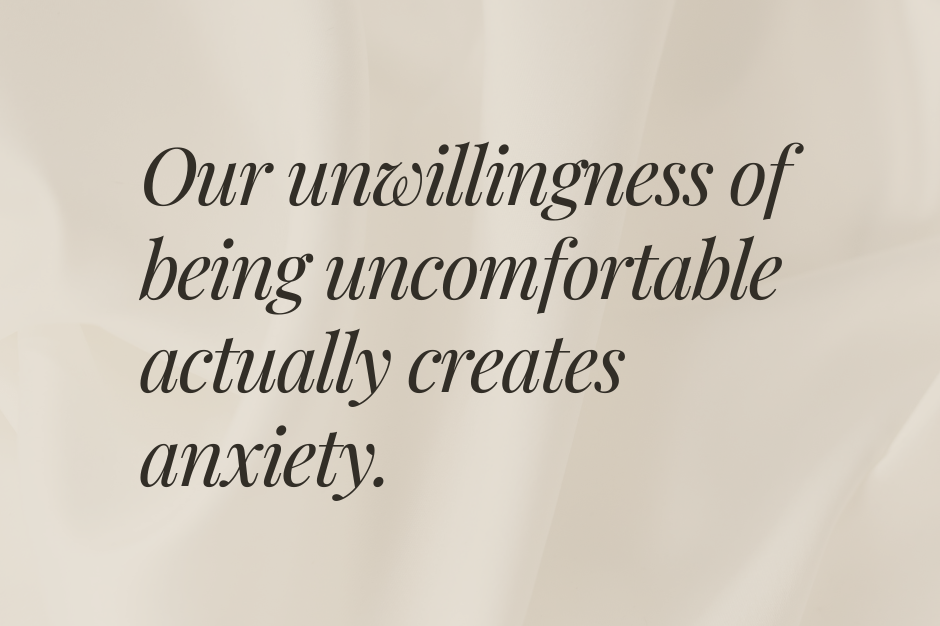
Our toolbox of social skills should help us tackle the current challenges in relationships, that have become so representative for the social atrophy we are experiencing. This debilitating state has made us depend on predictive technologies and therefore create an assisted living – we have digital technologies that tell us where to go, what to wear, what to eat, who to date, etc. All frictions and obstacles are removed. Things are being polished, made easier and smooth for us. But that effort meant something, it made us understand life is filled with uncertainty and disconfort. And obstacles can appear, and people are capable of overcoming them, and rise above them. Now, without the internet, we literally feel lost.
We should feel connected, but we are sometimes, even more disconnected.

The role of conflict
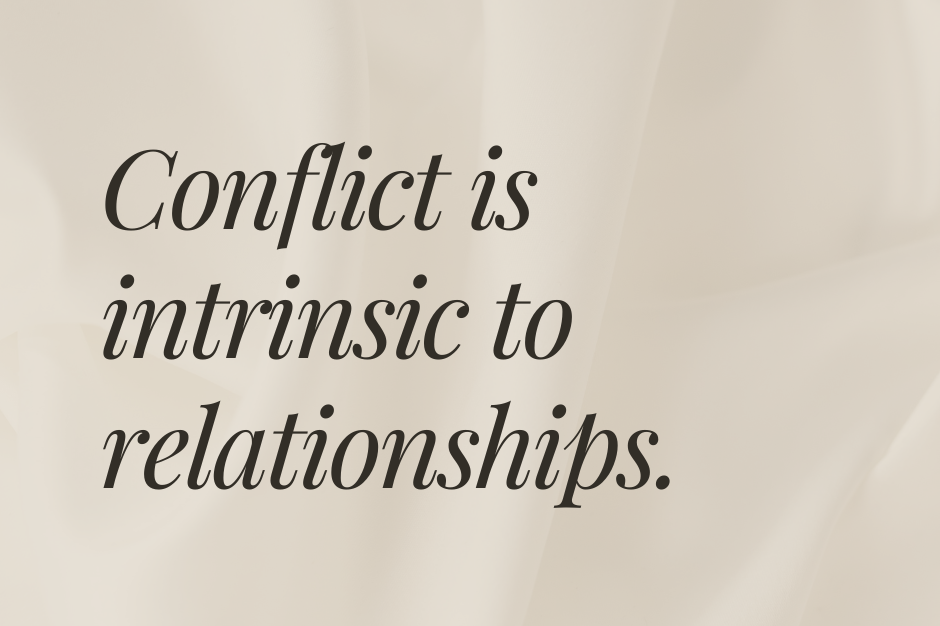
We need friction, we need conflict, we need to stop being so pretentious and easily offended and more eager to communicate, which involves active listening. Not feeling alone is what matters.

There are two types of conflict, as Esther tells us – productive and distructive conflict. What the fight is about is irelevant. This is why it’s important to ask yourselves What do you fight for?
- power and control
- care and closeness
- respect and recognition
When handled consciously and constructively, it can lead to growth, understanding, and stronger relationships.
Relationships are challenging, but they are an important part of our life, as long as they offer us real connections, and not artificial intimacy.
If I made you curious and you’d like to learn more, listen to this.



 Crâmpeie din viață by Nicoleta
Lasă un comentariu