Behind the scenes of PIXAR and Disney animation where all the HARD earned magic happens.
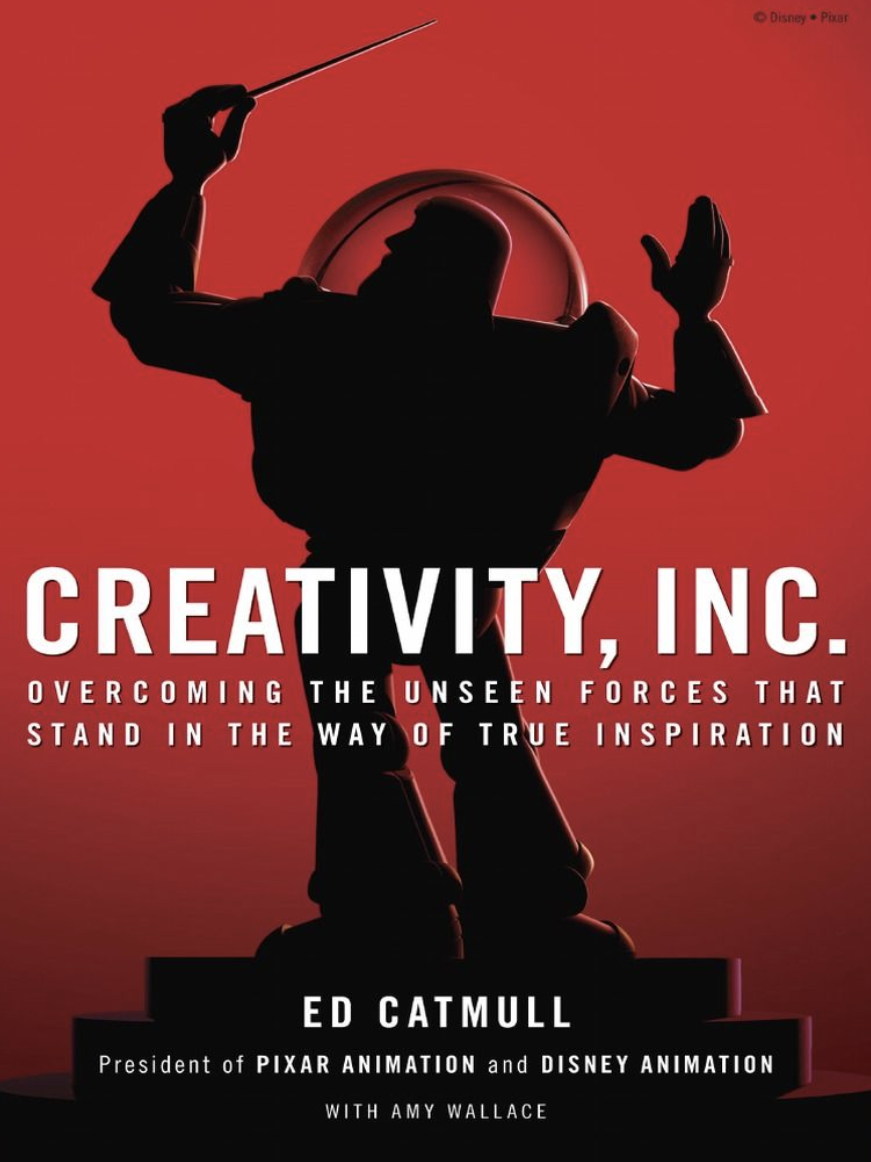
I wanted to read something inspiring while 2024 is saying goodbye. And getting behind the scenes of PIXAR and Disney where all the HARD earned magic happens, was quite exciting! It offered me a delightful blend of biography/memoir with insights, tips & tricks, and glimpses into an organizational culture that fostered creativity. You had to be creative in terms of storytelling, but also in terms of inspiring employees, cutting budgets and reaching tight deadlines. Loved the stories!
About the author – Ed Catmull
Edwin Earl „Ed” Catmull, PhD is a computer scientist and current president of Walt Disney Animation Studios, DisneyToon Studios, and Pixar Animation Studios.
Ed Catmull recounts his journey in computer graphics and his shift into management, learning the type of leader he wanted to be. He quickly identified his mission – fostering a culture that perpetually promotes and encourages creativity. He also includes numerous anecdotes about his interactions with Steve Jobs and various directors at Pixar, offering deep reflections on the roles of personality, pride, bias, objectivity, failure, success, teamwork, art and technology and their complex dynamics. Eventually, when Pixar is acquired by Disney, Ed and John find themselves leading Disney Animation. This situation becomes an opportunity to apply Pixar’s management philosophy to a new and larger group of talented but struggling filmmakers.
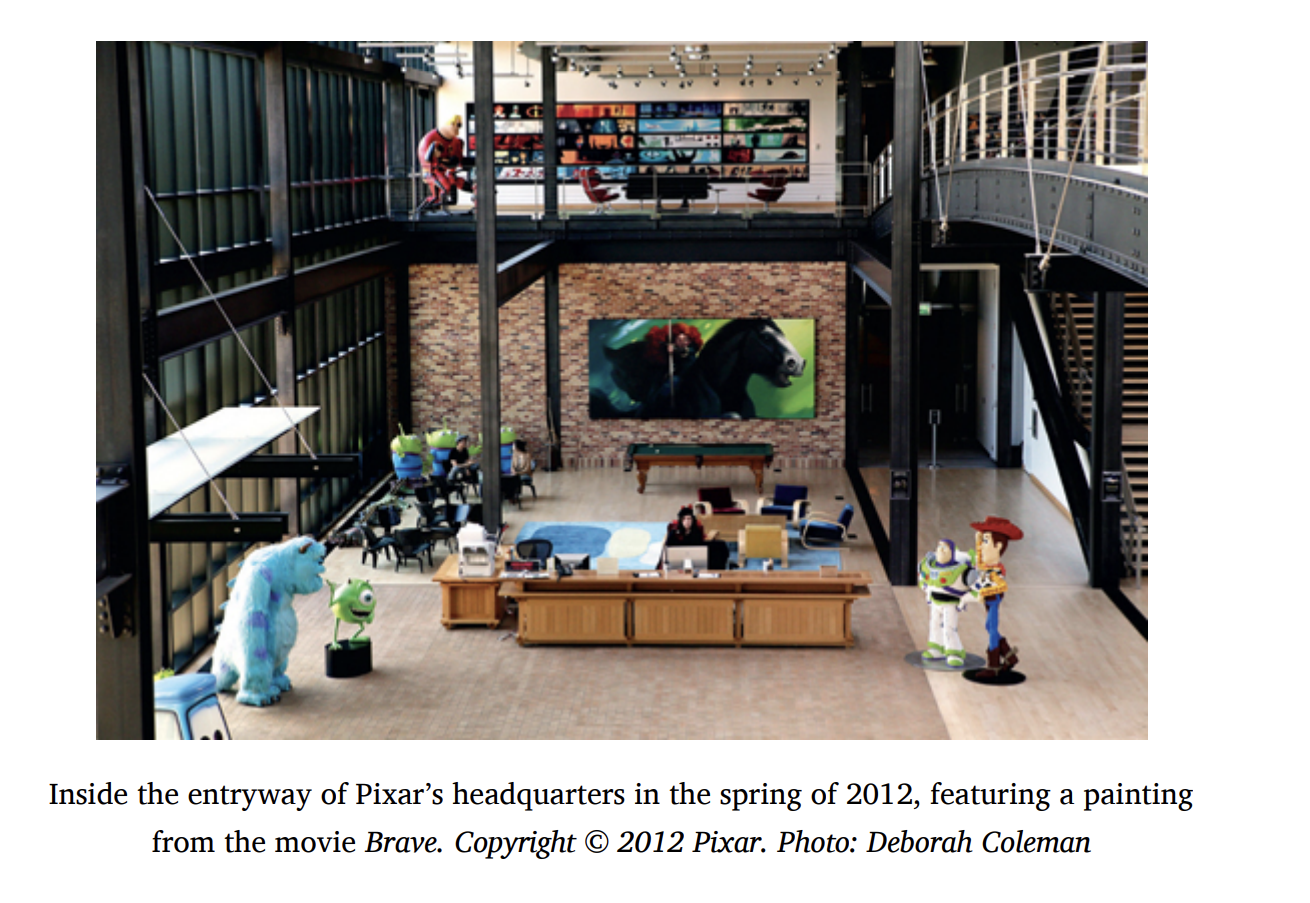

How do you keep creativity alive?
„Originality is fragile.”
And, in its first moments, it’s often far from pretty. This is why they would call early mock-ups of their films „ugly babies”: awkward and unformed, vulnerable and incomplete. They need nurturing – in the form of time and patience – in order to grow. … Their job was to protect their babies from being judged too quickly, to nurture and protect the new.
Sustaining creativity is an ongoing challenge that demands constant effort:
- examining personal biases
- learning to work with change
- experimenting with new approaches
- empowering talented individuals to speak up
- empowering ideas from unexpected sources
- maintaining open communication that transcends hierarchical structures
- recognizing when to let go in pursuit of excellence
- embracing failure as a necessary part of growth
- avoiding preconceptions to interfere
- being open about problems
- hiring people who are smarter than you
- and many more.
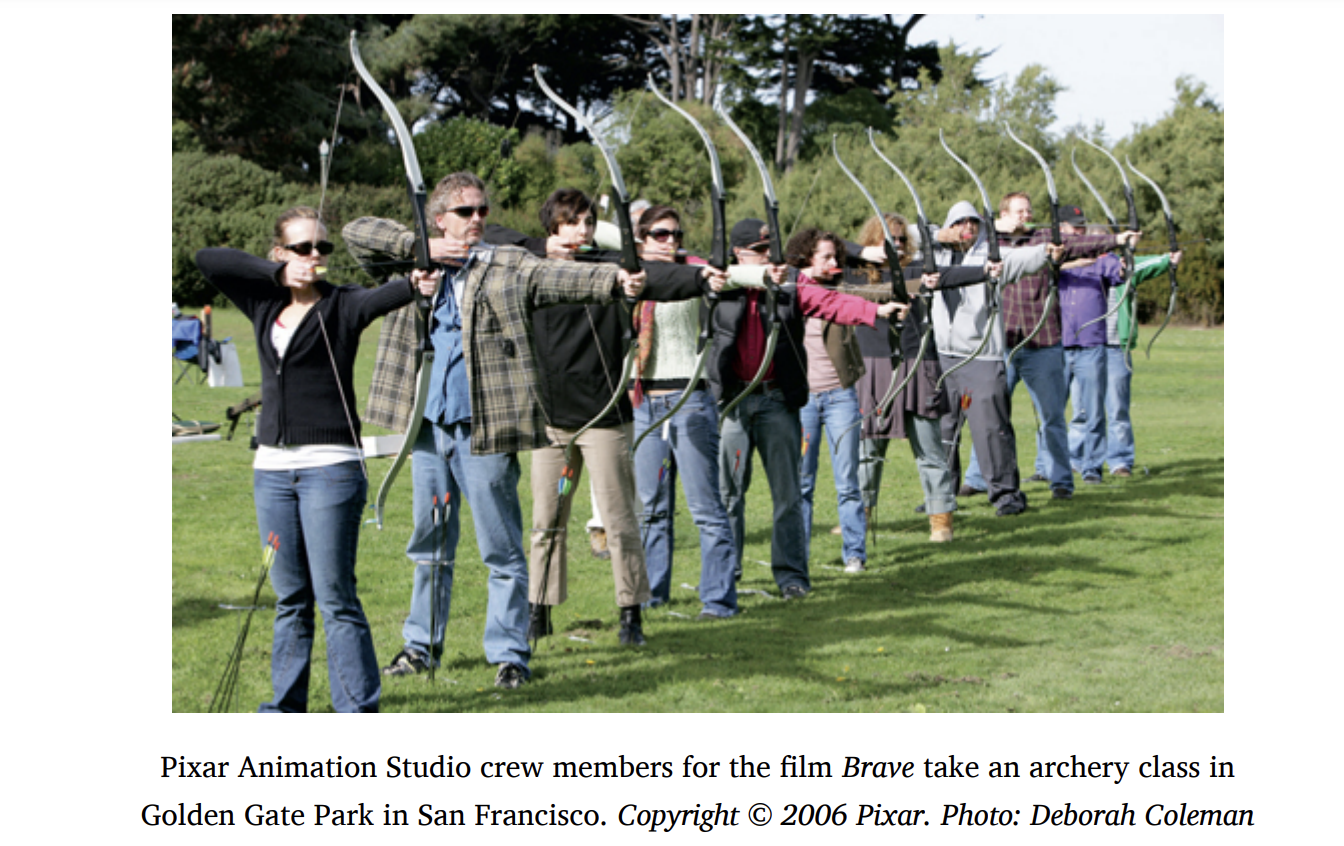
Change and failure
They were not geniuses. But they were all in, accepting their own flaws and limitations. Not pointing fingers, not looking for the culprit to punish. There was never a personal attack on the individual, but on the idea. And that idea could suffer several changes from so many people.
They had to admit that at times, luck was the ultimate factor that saved the day. They shouldn’t think of themselves as gods – for their own safety. There were so many factors involved and it was virtually impossible to do the math.
Measure what you can, evaluate what you measure, and appreciate that you cannot measure the vast majority of what you do.
They would get too comfortable. And that would damage creativity. They should always be prepared for the unexpected – for failure, for mistakes.
Companies, like individuals, do not become exceptional by believing they are exceptional but by understanding the ways in which they aren’t exceptional.
Failure is often used as a weapon instead of an agent of learning. The politics surrounding failure can frequently impede progress. ”Being open about problems is the first step toward learning from them.” Fear can’t be completely driven out in a high stakes game, but we should loosen its grip.
Fail early and fail fast. Be wrong as fast as you can.
Change is our friend because only from struggle does clarity emerge.
Getting the right people and the right chemistry is more important than getting the right idea.
People management
Meet people where they are
Clinical psychologist Taibi Kahlerbig’s teaching is about meeting people where they are.” The Process Communication Model – as it’s called – compares being a manager to taking the elevator from floor to floor in a big building.
“It makes sense to look at every personality as a condominium. People live on different floors and enjoy different views. Regardless, to communicate effectively with them all, you must meet them where they live.”
Include people
People want decisiveness, but they also want honesty about when you’ve ended up. Include people in your problems, not just your solutions.”

They created Notes Day, as a way to tap into the brainpower of all people, setting the table for creativity in an attempt to reinvigorate the company and make people once again, feel safe to speak their mind.
Make feedback your friend
Companies, like individuals, do not become exceptional by believing they are exceptional but by understanding the ways in which they aren’t exceptional.
Most people do not want to fail. And sometimes, the stakes seem so high, that you are afraid to tell the truth, to give an honest feedback, to contradict your boss. Self censoring was dangerous. The same happens with accepting feedback. Being critical can only help the idea, not damage the person. It’s hard not to take it personally, but not impossible.
Two important takeaways from this book: how to build a great, lasting culture, and how to foster creativity.
If you are working in a creative industry or maybe you are looking for some leadership inspiration, dive in!



 Crâmpeie din viață by Nicoleta
Lasă un comentariu